Philippine Heroes
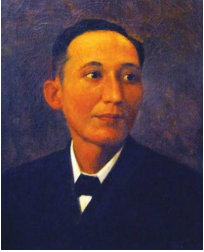
Apolinario Mabini y Maranan
Born: July 23, 1864 — Tanauan, Batangas, Captaincy General of the Philippines, Spanish Empire
Died: May 13, 1903 (aged 38) — Manila, Philippine Islands, United States Administration
Cause of Death: Cholera
Resting Place: Mabini Shrine, Tanauan, Batangas
Other Names: “Sublime Paralytic”, “Brains of the Revolution”
Alma Mater: Colegio de San Juan de Letran (BA), University of Santo Tomas (Law)
Organizations: Revolutionary Government of the Philippines
Notable Work: El Verdadero Decálogo (1898)
Movement: Philippine Revolution
Parents: Inocencio Mabini (father) and Dionisia Maranan (mother)
Summary:
Apolinario Mabini rose from humble origins to become one of the foremost intellectual architects of Philippine independence.
Despite being paralyzed from the waist down, he became the chief adviser to General Emilio Aguinaldo during the Philippine Revolution and the First Philippine Republic.
He drafted the decrees and constitution for the First Republic, guided Aguinaldo’s government, and defended the nation’s sovereignty in his writings and policies.
Even when captured and exiled to Guam by U.S. forces, he remained steadfast in his ideals.
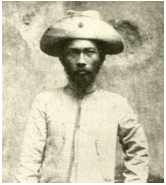
General Miguel Malvar y Carpio
Born: September 27, 1865 — Santo Tomas, Batangas, Captaincy General of the Philippines
Died: October 13, 1911 (aged 46) — Santo Tomas, Batangas, Philippine Islands
Cause of Death: Liver disease
Resting Place: Malvar Shrine, Santo Tomas, Batangas
Other Names: General Malvar
Alma Mater: Colegio de San Juan de Letran
Organizations: Katipunan; Revolutionary Army of the Philippines
Movement: Philippine Revolution; Philippine–American War
Spouse: Paula Maloles
Parents: Maximo Malvar (father) and Tiburcia Carpio (mother)
Summary:
Malvar fought bravely in Batangas and Laguna against Spanish and later American forces.
After Aguinaldo’s capture in 1901, Malvar continued the fight as Commander-in-Chief of
the remaining Filipino forces until his surrender in 1902. He is hailed as a symbol of
unwavering patriotism and sacrifice.
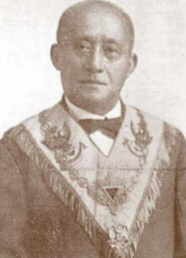
Timoteo Paez
Born: August 22, 1861 — Tondo, Manila, Philippines
Died: September 13, 1939 (aged 78) — Tondo, Manila, Philippines
Summary:
Don Timoteo Paez came from a rich family in Malabon. He became an adviser of laws and was a skilled writer in both Spanish and Tagalog.
He traveled to different parts of the world to study ways other countries improved livelihood for their citizens.
When Dr. Jose Rizal organized the "La Liga Filipina," Timoteo Paez became his right hand and helped with the propagation of the organization. He also supported prominent Filipinos such as Marcelo H. del Pilar, Graciano Lopez Jaena, Andres Bonifacio, and other Katipuneros.
Paez financially helped Rizal and del Pilar in Spain, assisted in publishing "La Solidaridad," and contributed to the formation of the Katipunan by Bonifacio. He suggested the celebration of Rizal's day, including a monument in his honor, and also advocated remembering Bonifacio's day.
Public schools in Manila and Pasay, streets in Manila and other provinces, bear his name in tribute. Timoteo Paez was praised by Dr. Jose Rizal for his patriotism, honor, and exemplary character.
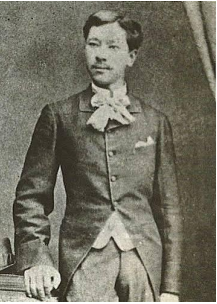
Pedro Alejandrino Paterno
Born: February 27, 1857 — Santa Cruz, Manila, Captaincy General of the Philippines
Died: March 11, 1911 (aged 54) — Manila, Philippine Islands
Resting Place: Manila North Cemetery
Alma Mater: University of Santo Tomas; University of Madrid
Organizations: Malolos Congress; Philippine Revolutionary Government
Notable Works: Ninay (1885) — first Philippine novel; La Familia Tagala (1889)
Movement: Propaganda Movement; Reform Movement
Spouse: Luisa Plata
Parents: Maximo Paterno (father), Carmen de Vera Ignacio (mother)
Summary:
Educated in Spain, Paterno bridged Filipino and Spanish elites through literature and diplomacy.
He negotiated peace between Spain and Filipino revolutionaries, served in the Malolos Congress, and later joined the American colonial government.
Despite criticism for shifting political alliances, his intellectual and literary works marked an early Filipino cultural renaissance.
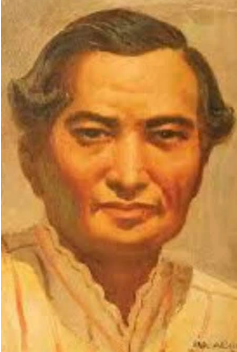
Tomás Pinpín
Born: c. 1580 — Abucay, Bataan, Captaincy General of the Philippines
Died: after 1648 (approx. age 68)
Resting Place: Unknown
Occupation: Printer, writer, publisher
Notable Work: Librong Pag-aaralan ng mga Tagalog ng Uicang Castilla (1610)
Movement: Early Colonial Printing Era
Summary:
Pinpín learned the art of printing in the Dominican press of Abucay and became the first
native Filipino printer to author a book. His work preserved early Tagalog grammar and
language, marking the beginning of Filipino literature and journalism.
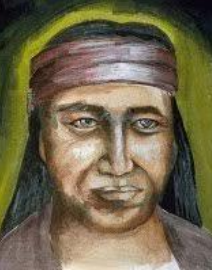
Panday Pira
Born: c. 1488 — Tondo, Manila, Luzon, Precolonial Philippines
Died: 1576 (aged about 88) — Manila, Captaincy General of the Philippines
Occupation: Blacksmith, cannon maker
Movement: Precolonial Manila and Spanish Conquest Period
Summary:
Panday Pira’s skill in metalworking made him a vital figure during the early days of Spanish colonization.
Initially serving local Muslim rulers, his cannons defended Manila before Spanish conquest.
The Spaniards later employed him to manufacture artillery, marking him as a pioneer of Filipino metallurgy and defense technology.
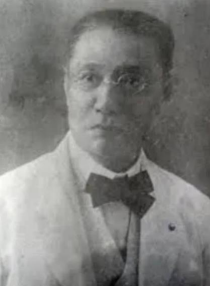
Mariano Ponce
Born: March 23, 1863 — Baliuag, Bulacan, Captaincy General of the Philippines
Died: May 23, 1918 (aged 55) — Hong Kong
Resting Place: Baliuag, Bulacan
Occupation: Physician, journalist, diplomat
Alma Mater: University of Santo Tomas; Universidad Central de Madrid
Organizations: La Solidaridad; La Liga Filipina
Notable Works: Cartas Sobre la Revolución (Letters on the Revolution)
Movement: Propaganda Movement
Spouse: Ticang Vda. de Ponce
Parents: Mariano Ponce Sr. and Carmen Collantes
Summary:
A staunch reformist, Ponce used his writings to expose Spanish abuses and advocate for
Filipino self-governance. He served as a diplomat for the revolutionary government in Japan,
establishing contacts to gain support for independence. His friendship with Rizal and
contributions to Philippine literature and foreign relations solidified his legacy as a key
intellectual of the revolution.
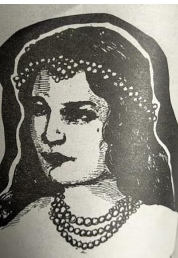
Purmassuri
Title/Role: Brave Princess of Sulu
Summary:
A very beautiful princess from Sulu. She had a strong heart and dominant willpower with which she tried to bewitch the Spanish soldiers, leading them to their destruction.
Siri Kala, a Moro chief, joined forces with Sigalo, another Moro chief, but they still could not attack the Spaniards who were well-armed. Purmassuri went to the barracks of the Spaniards, and the Spanish soldiers were bewitched by her beauty. She entertained them and created an opportunity for her forces.
Siri Kala's and Sigalo's soldiers attacked the Spaniards, killing almost all except those left on the ship, who later revealed what happened.
This story of Purmassuri shows that the country was never conquered without defense, and that women were always ready to contribute to their motherland.
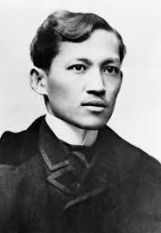
José Protasio Rizal Mercado y Alonso Realonda
Born: June 19, 1861 — Calamba, Laguna, Captaincy General of the Philippines
Died: December 30, 1896 (aged 35) — Bagumbayan, Manila, Captaincy General of the Philippines
Cause of Death: Execution by firing squad
Resting Place: Rizal Monument, Manila
Other Names: Pepe, José
Alma Mater: Ateneo Municipal de Manila; University of Santo Tomas; Universidad Central de Madrid (MD)
Organizations: La Solidaridad; La Liga Filipina
Notable Works: Noli Me Tángere (1887); El Filibusterismo (1891)
Movement: Propaganda Movement
Spouse: Josephine Bracken (m. 1896)
Parents: Francisco Rizal Mercado (father); Teodora Alonso Realonda (mother)
Relatives: Saturnina Hidalgo, Paciano Rizal, Trinidad Rizal
Summary:
Rizal’s novels and writings awakened Filipino nationalism and inspired the Philippine Revolution.
His execution by Spanish authorities made him a martyr for independence and the symbol of Filipino pride, intellect, and courage.
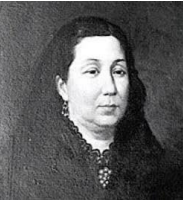
Margarita Roxas de Ayala
Born: May 24, 1826 — Binondo, Manila, Captaincy General of the Philippines
Died: 1903 (aged 77) — Manila, Philippine Islands
Occupation: Businesswoman, philanthropist
Spouse: Antonio de Ayala
Parents: Domingo Roxas (father), Maria de Castro (mother)
Movement: Early Filipino Economic Development
Summary:
Margarita managed the Roxas family’s haciendas and commercial enterprises after her husband’s death, expanding them into what became Ayala y Compañía (now Ayala Corporation). Her leadership laid the foundation for one of the Philippines’ longest-standing economic institutions.